

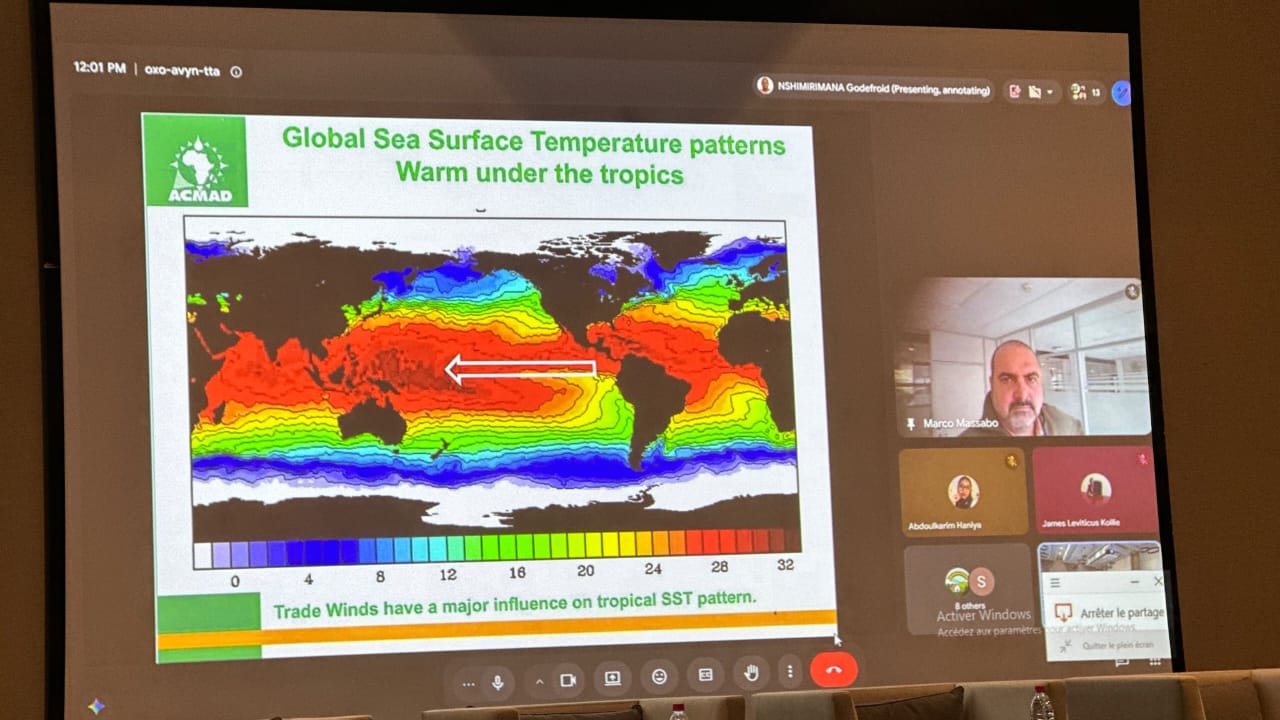
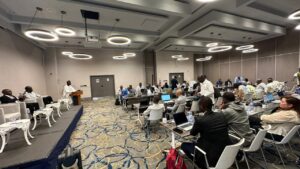
It was amidst torrential rain, a stark reminder of nature’s power, that the preparatory sessions for the 22nd African Climate Outlook Forum (ACCOF-22) opened at the Novotel-Ibis Hotel in Cotonou. From September 8 to 11, 2026, experts in meteorology, climate, water, and health gathered to confront an imminent threat: the arrival of a powerful El Niño weather event, expected to peak in late 2026, with devastating effects lasting through the first half of 2027. The goal of this meeting is to prevent a recurrence of the human and material disasters seen during previous episodes. Climate change is no longer merely a matter of charts and laboratory scientists; it is a reality directly impacting our daily lives. Key sectors essential to our survival, including agriculture, access to drinking water, public health, and disaster management, are on the front lines of these upheavals. For livestock herders and farmers in our regions, a poor weather forecast can mean the loss of an entire harvest or herd, plunging families into precarious conditions.
Governments, the time to act is now!
It was against this backdrop of urgency that Georges Alé, Benin’s Minister of Transport, Living Environment, and Sustainable Development, offered a clear assessment during the opening ceremony: “Africa is facing an intensification of extreme phenomena, namely droughts, floods, heatwaves, rising sea levels, and coastal erosion. In the face of these challenges, we must shift from a reactive mindset to one of anticipation, preparedness, and early action.” He added, “The other challenge will be to put climate information at the service of decision-making.”
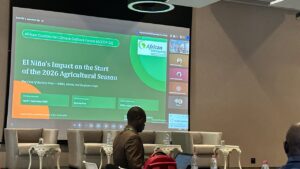
This message from the minister should serve as a wake-up call for all African public authorities. The scientific community is doing its job. Under the aegis of the African Centre of Meteorological Applications for Development (ACMAD) and with partner support, experts are currently harmonizing their forecasting tools to produce reliable, localized data. Yet, these advances will be futile without genuine political courage. Governments and local decision-makers must urgently act on these early warnings to plan water reserves, pre-position medical aid, and organize evacuations from flood-prone areas before a crisis strikes. Anticipation costs far less, in terms of both human lives and resources, than post-disaster reconstruction.
Information Saves Lives
However, a crucial link remains: the transmission of the message. A weather warning, no matter how precise, is useless if it gathers dust in a ministerial drawer or is incomprehensible to the public. It is to address this challenge that the African Union of Broadcasting (AUB) has played an active role in the Cotonou proceedings. Representing the continent’s media, the AUB emphasizes that the press, radio, television, and social media are not merely relay points but central players in climate resilience, helping to rethink how these warnings are disseminated.
This is where the entire media sector must mobilize. Journalists, radio hosts, influencers, and local media outlets, climate issues are no longer just a segment at the end of a news broadcast; they are a matter of survival. The media has a civic duty to translate scientific jargon, broadcast warnings widely, and advise even the most remote communities on how to take timely action.
The countdown has begun. The action plans and new newsletter formats devised in Cotonou will be officially validated in October 2026 during the main session of ACCOF-22. In the meantime, scientists, policymakers, and journalists must present a united front. Africa can no longer afford to simply count its victims after the storm; it must now prepare before the thunder rolls!