The United Nations marks the International Day of Peace on 21 September each year to promote an end to violence and war and to advance peace and development. Established by the UN General Assembly in 1981, the day was designated in 2001 as an annual period of non-violence and ceasefire and a call to strengthen a culture of peace among nations and peoples.
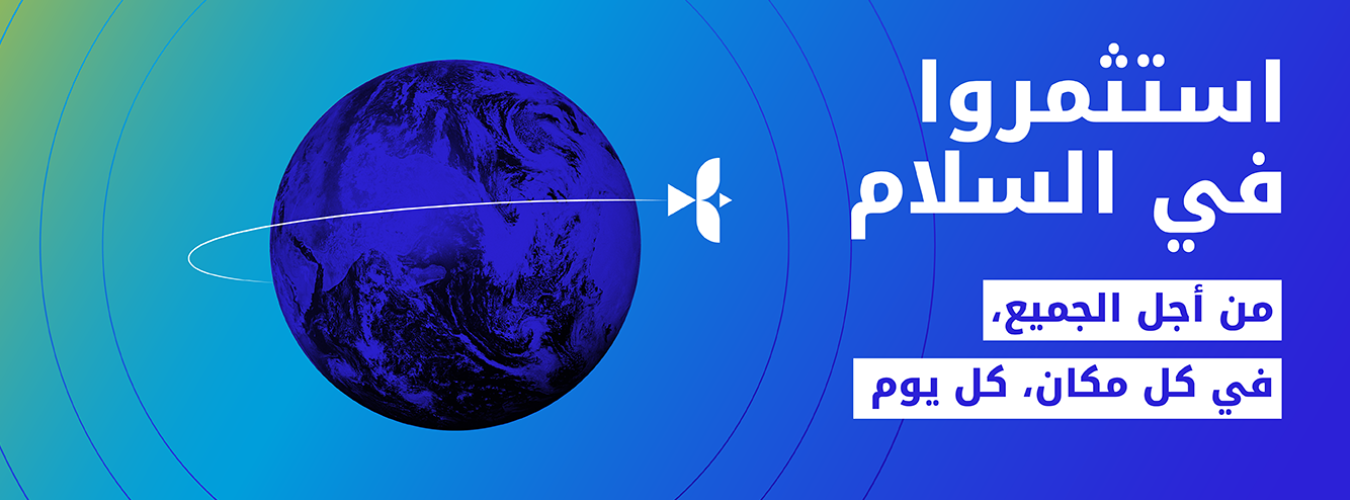
According to the United Nations Information Centre, the 2026 observance is held under the theme “Invest in Peace: For Everyone, Everywhere, Every Day.” The message stresses that peace is not built only in conference rooms, but also at home, at school, in the street and in the workplace—wherever people meet one another. The UN emphasizes that peace means more than the absence of war: it is a life in which people experience safety, dignity, opportunity, cooperation and stability.

The United Nations notes that, amid profound global turmoil, the pursuit of peace can feel difficult, but has rarely been more urgent. Peace is the foundation for collective action on humanity’s shared challenges and is experienced through security, dignity, opportunity and cooperation in everyday life.
Under this year’s theme, the International Day of Peace also recognizes everyday peacebuilders—people who advance local action, create the conditions for stability and build lasting peace from the ground up. Everyone, everywhere, can contribute to peace.
The UN also stresses that a culture of peace begins with people who can exercise self-control, respect others, accept differences, choose dialogue and justice, and reject hate speech and incitement. Peace that does not take root in people’s hearts is fragile, and peace without justice can become only a temporary truce.